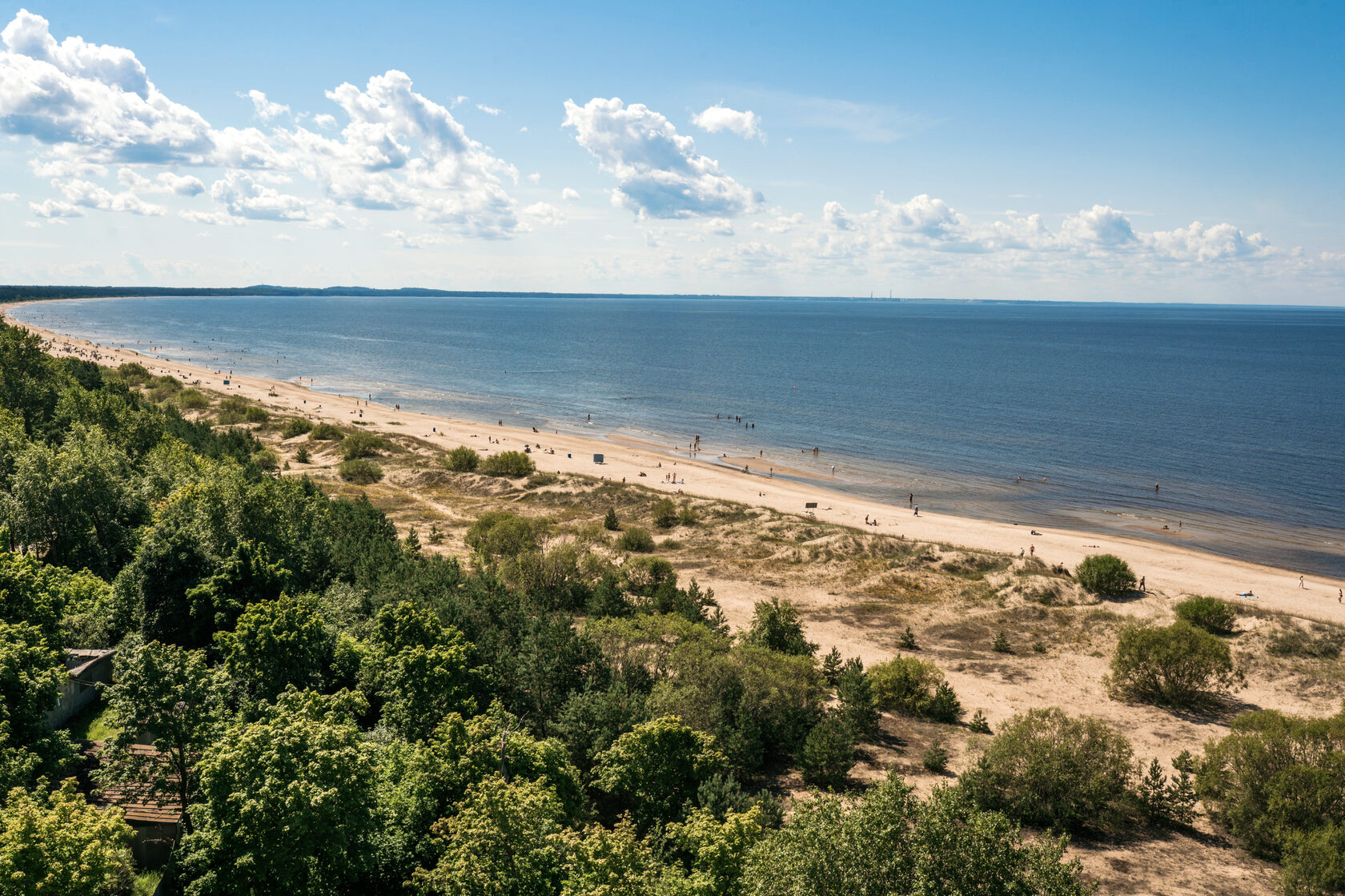
Narva-Jõesuu is a cozy and picturesque place to live, especially for those who value closeness to nature and a slower pace of life. The city boasts Estonia’s longest white sandy beach and pine forests within its boundaries, offering excellent opportunities for relaxing after a busy day and spending quality time with family.
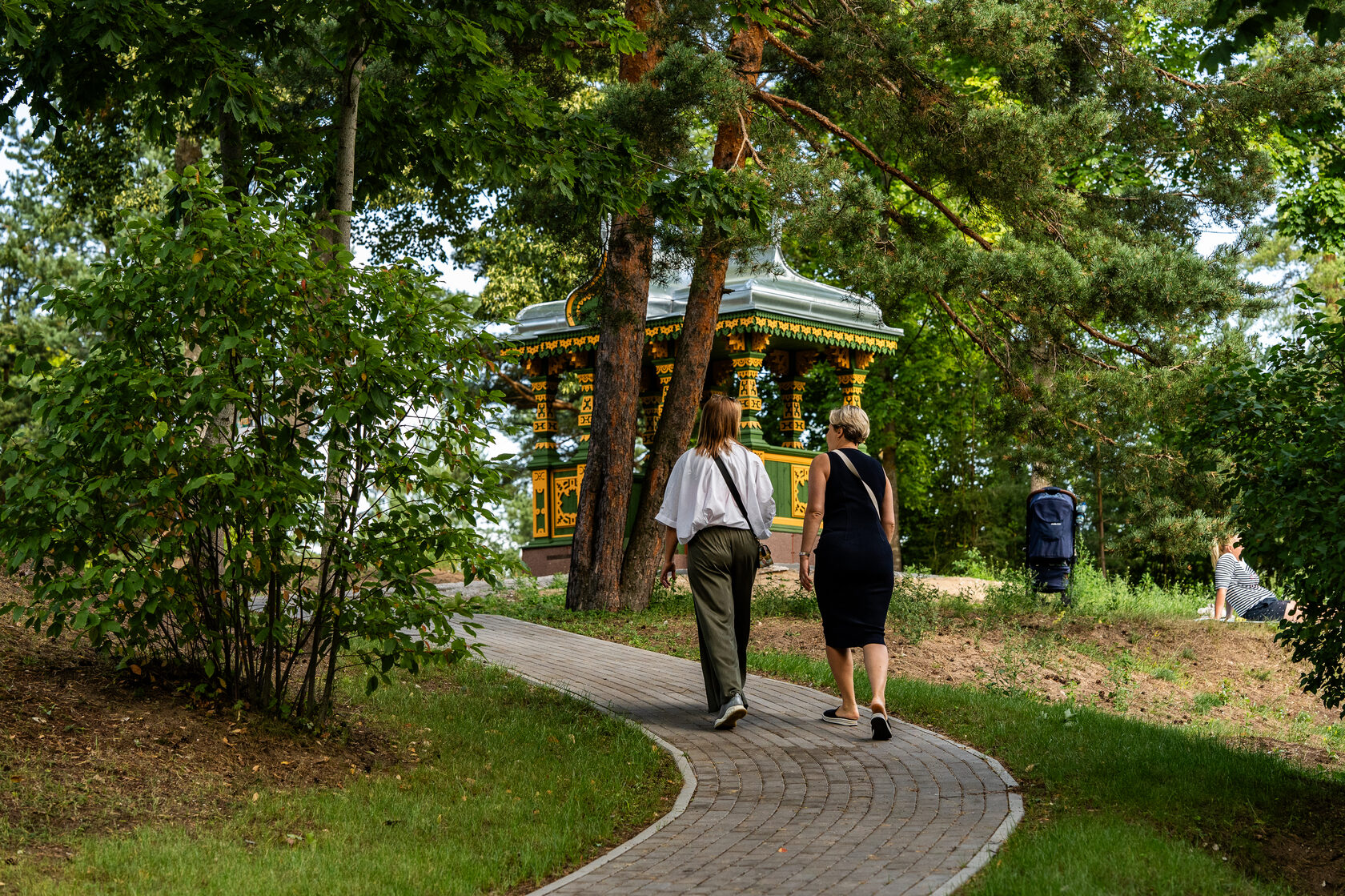
The reputation of Narva-Jõesuu as a resort town dates back to 1874 when a fishing village began transforming into a holiday destination. Merchants and industrialists from Narva and St. Petersburg built uniquely designed houses, creating the distinctive Narva-Jõesuu style. The town, originally called Hungerburg ("Hunger Town"), soon became known as the Pearl of the Baltic Sea! Though its glory was lost several times due to wars, Narva-Jõesuu is once again on the rise as a modern resort town. New hotels have been built, and modern spas offer a variety of wellness packages. Renovated parks and illuminated trails enable activities even during late hours.
Spa and Culinary Delights
Spas and wellness centers along the beach offer water and sauna pleasures year-round. Few small towns have such a wide range of options for swimming, enjoying jacuzzis, trying out water slides, and revitalizing in various saunas.
A good health center also provides healthy food, available in local dining establishments. While dining out in restaurants every evening might not be feasible, the city certainly offers great opportunities for skilled chefs and service staff.
An Ideal Place for Families
Narva-Jõesuu welcomes families with children! Soon, the city’s kindergarten and school will have new buildings, complemented by a music and art school. The sports hall provides training opportunities for both children and adults. Few municipalities can boast their own sailing school. If activities in the home city don’t fully meet your interests, the neighboring city of Narva, just a 15-minute drive away, offers additional opportunities. During summer, a convenient cruise ferry connects Narva and Narva-Jõesuu, allowing you to show visiting friends the city from the river.
For Narva-Jõesuu residents living in apartments, leisure time often involves nature—whether in the forest, by the fishing spots, or tending to a “dacha.” Families in homes with gardens always have something to do. Beautiful, well-maintained front yards speak volumes about the hardworking residents.
A Versatile Choice of Homes
What makes Narva-Jõesuu unique is its blend of urban and rural living. The city also includes former Vaivara parish with its two boroughs and 18 villages, allowing you to choose between a central location or a more sparsely populated area. Specific zones have been earmarked for new residential developments—just come and find your ideal spot!
Bus transport connects the city center with the larger boroughs of Olgina and Sinimäe. Narva-Jõesuu is intersected by the Tallinn-Narva highway and railway, dividing it into distinct functional zones. The northern, seaside area houses most of the population, while the southern part is dedicated to industrial enterprises. Surprisingly, Narva-Jõesuu is also home to Estonia’s easternmost airfield. The grass-covered Olgina airfield near Narva is currently used by hobby pilots and parachutists but is expected to host larger aircraft in the future to support industrial businesses in Narva. There is even talk of launching a flight route between Narva and Southeast Finland.
Diverse Job Opportunities
While job options in this small city are somewhat limited, a suitable bus schedule connecting Narva and Sillamäe expands employment opportunities. New developments also bring hope for a growing job market. Currently, the largest employer is Eesti Energia. The tourism and service sectors in the city center are actively seeking workers. Spas and hotels, increasingly popular among visitors, constantly require additional staff to expand their operations. Jobs are also available in education, healthcare, and retail.
Why not carve out your niche and start a business here? The planned opening of the Cultural Quarter in 2026 might spark new ideas. The quarter will feature sports and play areas, walking trails, and stages. A riverside promenade will connect the beach and small harbors, leading to the city’s lighthouse—a potential new tourist magnet. Narva-Jõesuu’s lighthouse is Estonia’s easternmost and the only one open to visitors along the North and Northeast Estonian coast. Its unique location and stunning views—encompassing both the sea and the river—offer a great opportunity for creative entrepreneurs to bring it back to life.
The Rich Heritage of a Resort Town
Learn about the city’s history as a resort town and its fascinating wooden architecture at the Narva-Jõesuu Museum. Its diverse educational and experience-based programs offer knowledge and hands-on activities.
For a different historical perspective, visit the Vaivara Sinimägede Museum, which aims to educate people about World War II events in Estonia, including the intense battles of 1944 around the Narva River and Sinimäe Hills. The museum’s expanded exhibits feature weapons, uniforms, personal items, wartime photos, propaganda posters, and more. Despite the challenging topic, the displays are tailored to suit all age groups.
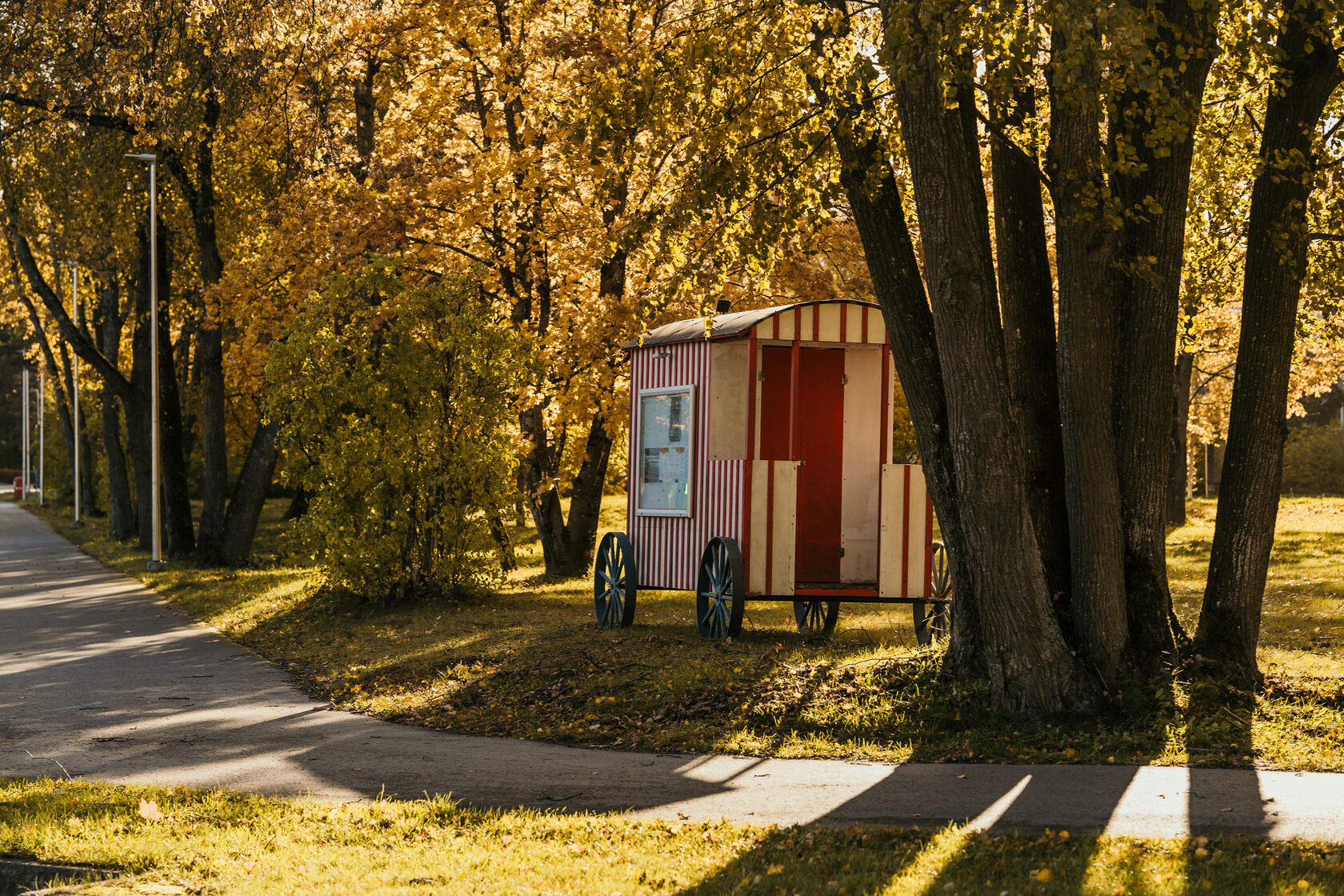
Next to the museum is the Sinimäe Observation Tower, situated in the Vaivara Landscape Protection Area. From its highest platform, visitors can enjoy magnificent views of the surrounding area. This unique landscape is worth visiting repeatedly to observe the changing seasons. The tower also marks the starting point of a long hiking trail managed by the State Forest Management Centre (RMK).
Calling for Creative Minds
Local cultural life is calm during winter, but as the weather warms, the city comes alive—parks and nature trails fill with people. Summer brings festivals and beach parties, adding to traditional events like the Night Bazaar and the Lamprey Festival. The city eagerly awaits creative minds to help energize cultural activities during the quieter months.
Narva-Jõesuu is also a popular destination for business conferences. After intense brainstorming sessions, visitors can unwind with wellness treatments offered by the city’s health centers.
When thinking about Ida-Virumaa, questions about daily language use may arise. Yes, Russian is widely spoken in this region. However, it’s encouraging that all Narva-Jõesuu schools have successfully transitioned to Estonian-language instruction. Hotels, spas, shops, and cafes actively train their staff to communicate in the national language. Come and visit, and don’t hesitate to lend a hand by saying, “I’m your language buddy!” Together, we can ensure that Estonian is increasingly heard in Ida-Virumaa.
Külli Kell
Tourism and Business Coordinator