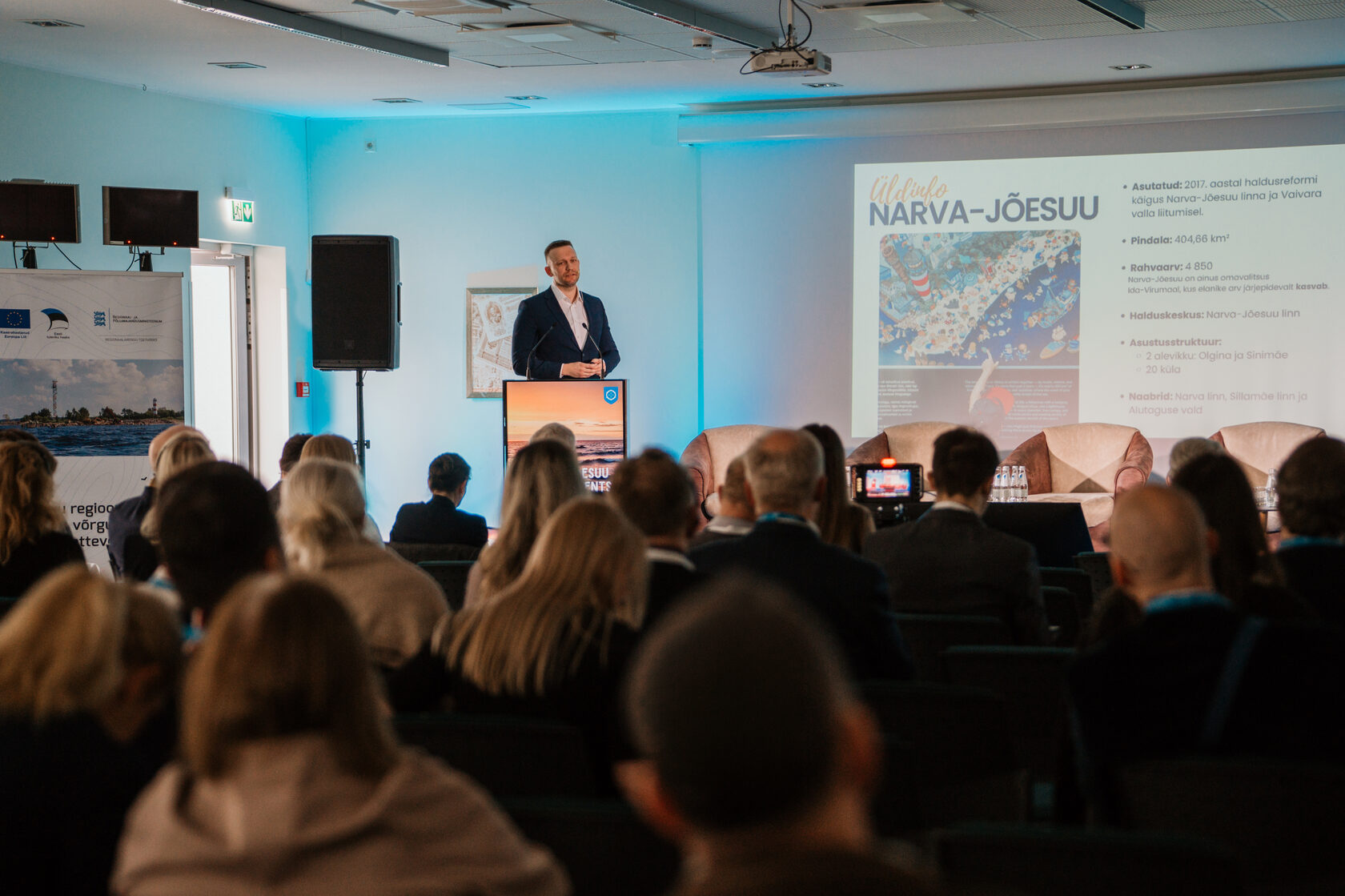
In an era of global economic shifts, geopolitical challenges, and the rapid rise of artificial intelligence, both regions and individual businesses are searching for resilient, crisis-proof models for success. Against this backdrop, the traditional Narva-Jõesuu Business Conference 2026, held on May 7 at the Noorus SPA Conference Center, proved to be the perfect platform for open dialogue and collaborative solutions.
The event brought together a wide range of key decision-makers, including major entrepreneurs, local developers, municipality leaders, top tourism experts, and international partners. The guiding philosophy of the day was a simple yet inspiring message: no matter how fast the world changes, people, networking, and the ability to highlight a region's unique identity remain the core of stable growth and business success.
A Large-Scale Project: Waterways as a New Catalyst for the Region
This year's conference went far beyond theoretical discussions, delivering tangible practical value for the economic growth of the entire region. The event was organized as part of a major initiative titled "Development of the Waterway Network and Tourism Enterprise in the Ida-Viru Region". This project aims to boost the international competitiveness of the destination through thoughtful infrastructure upgrades and the modernization of the business environment.
In his opening speech, Maksim Iljin, Mayor of Narva-Jõesuu, emphasized that the formula for regional success lies in strong ideas and smart partnerships—regardless of the size of the municipality or the business. Today, the potential of Narva-Jõesuu and the wider Ida-Virumaa region is no longer measured just on paper; it is taking a very real, physical shape in the urban space.
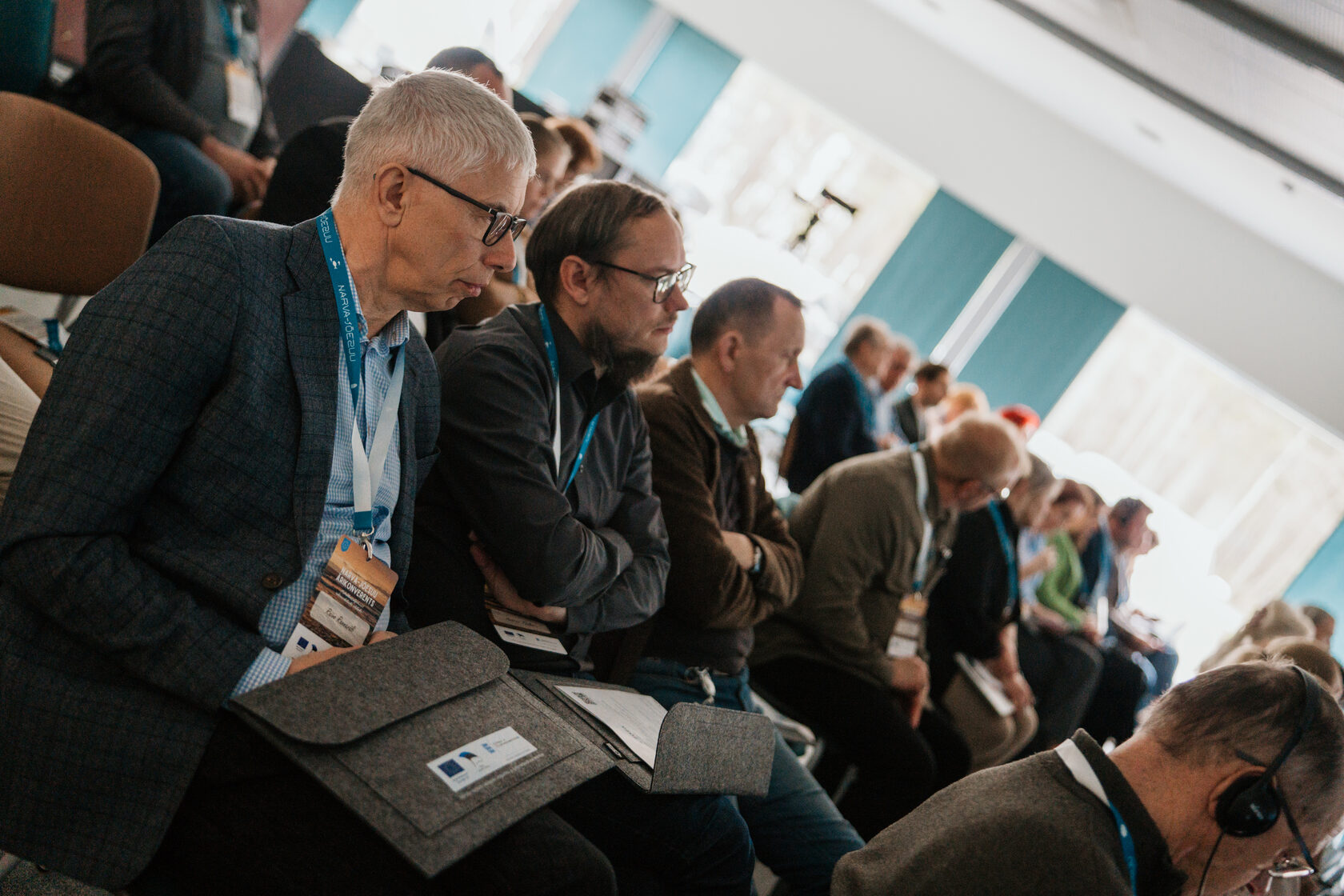
This was clearly demonstrated during the practical portion of the conference, where participants could see the renewal of the coastal infrastructure firsthand. Guests visited Estonia's easternmost lighthouse and a new breakwater currently under construction in the city. This structure serves a critical function as a coastal protection and infrastructure facility, creating direct prerequisites for the development of local water traffic, a network of small harbors, and the resulting growth of tourism entrepreneurship.
Leadership in Stormy Seas and New Dimensions of Security
The core program of the conference closely intertwined practical business management with geopolitical realities. One of the most memorable presentations was delivered by Tiit Pruuli, an experienced major entrepreneur and traveler, who drew a unique parallel between maritime expeditions and modern crisis management. His message was unequivocal: a leader does not manage dry, lifeless targets, but rather the people who bring those targets to life. In complex and turbulent times, honesty, transparency, thorough preparation, and the leader's personal example form the very foundation of organizational resilience. A wise maritime proverb resonated deeply with the audience: "A smart sailor does not sail into a storm," reminding entrepreneurs of the vital need for strategic risk assessment.
In the context of regional development, security and stability are fundamental prerequisites for economic success. Kristian Jaani, Director of the Police and Border Guard College of the Estonian Academy of Security Sciences, highlighted the profound impact of security and international cooperation on local business. Jaani pointed out the immense value of the multilingualism among Ida-Virumaa's youth, as well as the growing presence of Frontex and other international organizations in Narva-Jõesuu. This presence is not just a security guarantee; it represents a real economic opportunity for local service providers, transport companies, and the hospitality sector, allowing them to offer high-level services to an international target audience.
Technological Leaps and Customer-Centric Design: "Eating the Elephant One Bite at a Time"
Future business trends are inextricably linked with technology, yet the human component remains firmly at the center. Tech expert Krete Paal inspired conference participants not to fear the rise of artificial intelligence (AI), but to channel their curiosity and adaptability into a new "superpower". Paal's practical approach dispelled the myth that digital transformation demands immediate, massive investments or a radical strategic pivot. Her apt metaphor, "eating the elephant one bite at a time," reminded everyone that success is achieved step-by-step—starting with solving specific, everyday business problems, experimenting, and continuously learning. Technology alone does not create value; value is created by the ability to apply it for the convenience of both customers and employees.
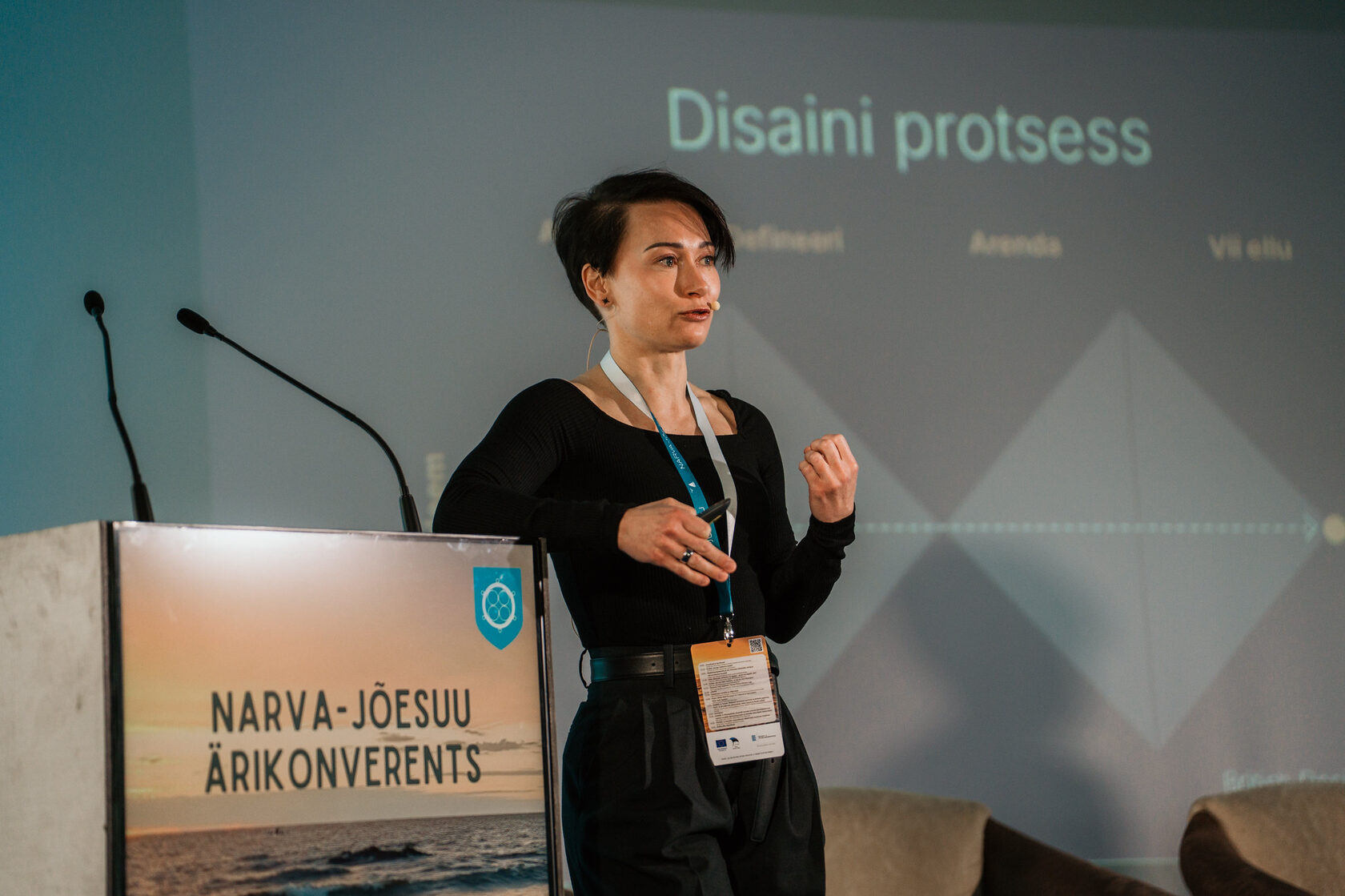
But how do you stand out and truly connect with clients in a tech-driven world? Service design expert Jana Kukk emphasized that the modern customer experience must never be built on assumptions or subjective opinions. The visitor's journey must be viewed as a whole—from the very first digital touchpoint to the actual experience on-site. Continuous testing of services, genuine attention to feedback, and agile responsiveness are the only tools that can guarantee a destination's competitiveness on the global market.
Uniqueness is the New Luxury: The Power of Identity and Heritage
In the international segment of the conference, which featured guests from Finland, Sweden, and Poland (including delegations from Gdańsk and Sopot), the region's strengths were analyzed from an outside perspective. Henri Hakala, a Finnish hospitality market expert, noted that although the European investment market currently shows caution, steady growth is expected in the tourism sector. The unique advantages of Narva-Jõesuu and the entire Ida-Virumaa region include its pristine nature, silence, safety, and a moderate Nordic climate. Today's travelers are no longer looking for artificial luxury; they seek authentic environments and profound emotions.
This concept was backed by a practical example from Ülle Puustusmaa, who shared the success story of the Viscosa Cultural Factory from Hiiumaa. Her presentation vividly demonstrated how a historic industrial complex located in a remote area can be transformed into a thriving, magnetic hub for cultural and creative entrepreneurship. The key to success lies in engaging the local community and breathing new, modern life into existing cultural heritage. Narva-Jõesuu and the wider Ida-Viru region do not need to copy other successful destinations; the strategy here is to create something that does not exist elsewhere, doing it in their own unique way.
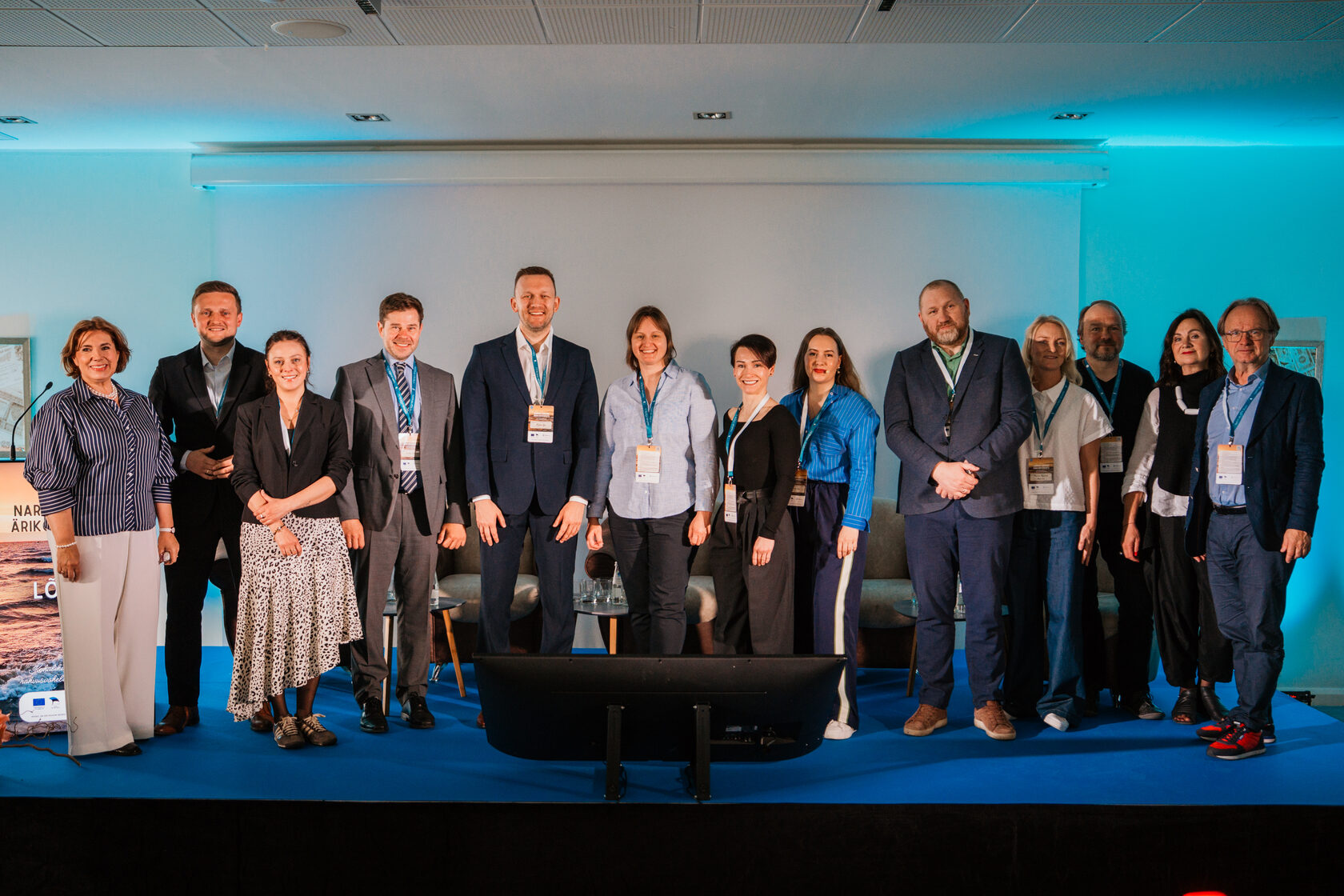
Left to right: Maarika Honkonen (Moderator); Bartłomiej Barski (CEO, Visit Sopot); Anna Wojnarowska (Gdańsk Tourism Organization); Kristian Jaani (Director, Police and Border Guard College); Maksim Iljin (Mayor of Narva-Jõesuu); Triinu Akkermann (Peipsi Food Festivals); Jana Kukk, PhD (Co-founder, Rethink); Krete Paal (CEO, GDPR Register); Urbo Vaarmann (Entrepreneur and Politician); Therese Hagström Andersson (Destination Developer, Karlskrona); Indrek Leht (Head of Stalker Theme Park); Ülle Puustusmaa (Consultant, BDA Consulting / Viscosa); Tiit Pruuli (Supervisory Board Member, GO Group).
The Local Resident as the Primary Destination Ambassador
One of the most thought-provoking insights of the conference was a principle formulated by international speaker Anna Wojnarowska (Visit Gdansk): when developing a destination, local residents must be treated just as well as—or even better than—the tourists themselves. For visitors to want to come to a region, an environment must first be created where locals love to live and feel comfortable. When a local community is genuinely proud of its home, its renewed infrastructure, and its history, the people themselves become the most powerful marketers and ambassadors for their region.
As the day concluded, a clear takeaway resonated: even the most ambitious ideas only gain value when they reach people, translate into real services, and turn into practical actions. The Narva-Jõesuu Business Conference 2026 proved that the region possesses both a clear vision and the actual drive to execute it. As entrepreneur and participant Terje Rattur aptly summarized: "Beautiful words alone don't matter—actions do." And this conference day served as excellent, tangible proof that big ideas are being shaped into reality here, step by step.
The Narva-Jõesuu Business Conference 2026 was held as part of the project "Development of the Waterway Network and Tourism Enterprise in the Ida-Viru Region". The project is funded by the European Union Cohesion Policy Fund under the measure "Attractive Regional Business and Living Environment," the support measure for the implementation of county development strategies, and the budgets of the partners.