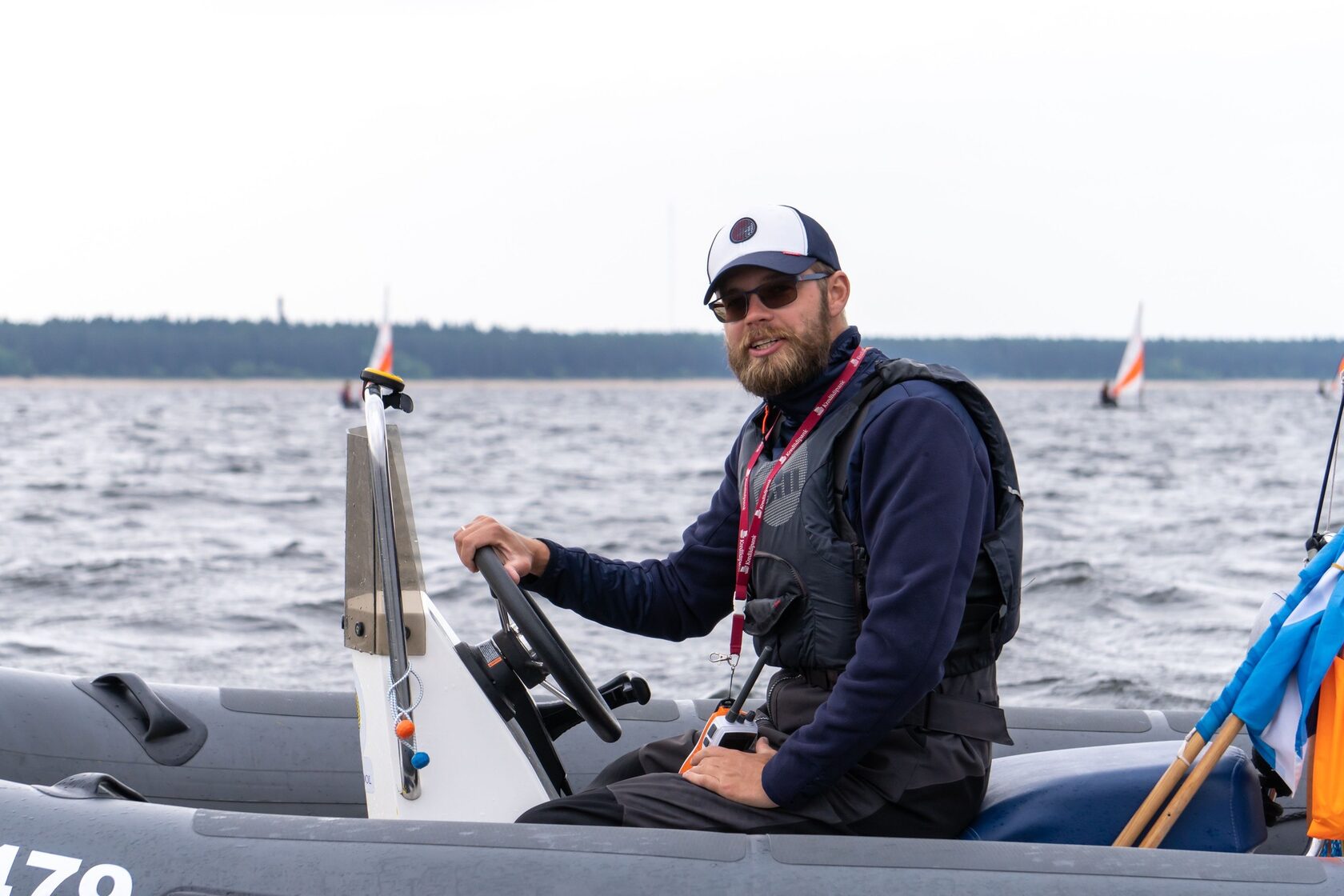
For many, snow-white sails against an endless blue horizon are merely a beautiful scene from a movie or a postcard from the French Riviera. But for Narva-Jõesuu, this has become a new reality. Today, the local yacht club and sailing school are more than just a sports club; they are a place where the region's maritime traditions are being reborn and the characters of future world champions are forged. Behind it all stands a man who once decided that our shore deserved its own grand maritime history.
Today we are speaking with Anton Lebedev, the head of the Narva-Jõesuu sailing school and yacht club—a coach whose journey toward his dream began with a very painful yet fateful encounter with the elements.
Today we are speaking with Anton Lebedev, the head of the Narva-Jõesuu sailing school and yacht club—a coach whose journey toward his dream began with a very painful yet fateful encounter with the elements.
Anton, what was your childhood like in Narva-Jõesuu? Were you the kind of child who spent all their free time by the water, or did you have completely different interests at the time?
I am from Narva myself. I was born in Narva and lived there until 2017. In my childhood, spending time by the water was difficult because there were simply no conditions or opportunities. Yes, there is the reservoir, the river, and the sea is nearby... But at that time, only the Young Sailors' Club existed, where I was enrolled at the age of 7. I had virtually no other interests; they didn’t even have time to form because I went straight into the sailing department. Then in 2017, with the opening of the school, I moved to Narva-Jõesuu, and now I live here permanently with my family. My children have become "native Narva-Jõesuu locals" to Narva-Jõesuu; they were born here.
Sailing is not the most obvious hobby for many. How did it all begin for you? Was it love at first sight with the sea, or a long journey to understanding the elements?
A friend brought me along. Of course, the sheer uniqueness of it had a big impact on me: no one in my circle was doing it. But I wouldn’t say I liked everything right away. I remember the first training session: old boats, "exhausted" equipment, and no wetsuits. I didn’t understand the process at all back then, and during the very first lesson, I got hit in the temple by the boom (the part of the boat that swings over your head during maneuvers). It was very painful! I seriously decided then that sailing wasn't for me, and I didn't show up at the club for two weeks. But after two weeks, I was drawn back anyway. So it was love at first sight... though not with the sail, but with the boom that "kissed" me. It took time and that baptism of fire to realize: sailing was my thing after all.
At what point did you realize that you didn't just want to sail yourself, but wanted to teach others? Was it difficult to switch from personal ambitions to the success of your students?
I spent about eight years at the Young Sailors' Club, finished school, and left for England because it was important for me to gain experience living abroad. I worked there for a bit, but after a few months, I decided to return: "where I was born, there I am useful". Then the question arose: what to do next? I remembered my experience at the Young Sailors' Club and the injustice I felt: we always had old equipment, everything was so "weathered". In the rest of Estonia, yachting had been developing for decades, while here, wars and crises had erased everything: both traditions and ports.
I decided that I wanted to be the person, or part of the team, that would eliminate this injustice and create a high-quality center here. I managed to work for a short time as a hired coach at the Young Sailors' Club, but I quickly realized that my ambitions and desire to develop were not shared there: people wanted to remain in the "comfortable" situation of the last 50 years. Therefore, I decided to move forward on my own.
I decided that I wanted to be the person, or part of the team, that would eliminate this injustice and create a high-quality center here. I managed to work for a short time as a hired coach at the Young Sailors' Club, but I quickly realized that my ambitions and desire to develop were not shared there: people wanted to remain in the "comfortable" situation of the last 50 years. Therefore, I decided to move forward on my own.
The sailing school in Narva-Jõesuu is showing excellent results. What is the main goal you set for yourself today: to train champions or simply to instill a love for the sea and discipline in children?
The school's results are indeed heartening, but my main goal today lies in popularization. Moreover, this applies not only to the youth but also to adults. Currently, people of all ages are training at our yacht club, and I consider this fundamentally important: to get as many people as possible under sail and to instill in them the maritime traditions of Estonia.
For me, it makes no difference whether a seven-year-old child or a seventy-year-old person comes to us, as they should have equal opportunities for access to the sea. We are building everything from scratch, restoring what was lost; therefore, now is not the time to set sky-high athletic goals. The main thing is for sailing and tourism in Narva-Jõesuu to become widespread and accessible.
For me, it makes no difference whether a seven-year-old child or a seventy-year-old person comes to us, as they should have equal opportunities for access to the sea. We are building everything from scratch, restoring what was lost; therefore, now is not the time to set sky-high athletic goals. The main thing is for sailing and tourism in Narva-Jõesuu to become widespread and accessible.
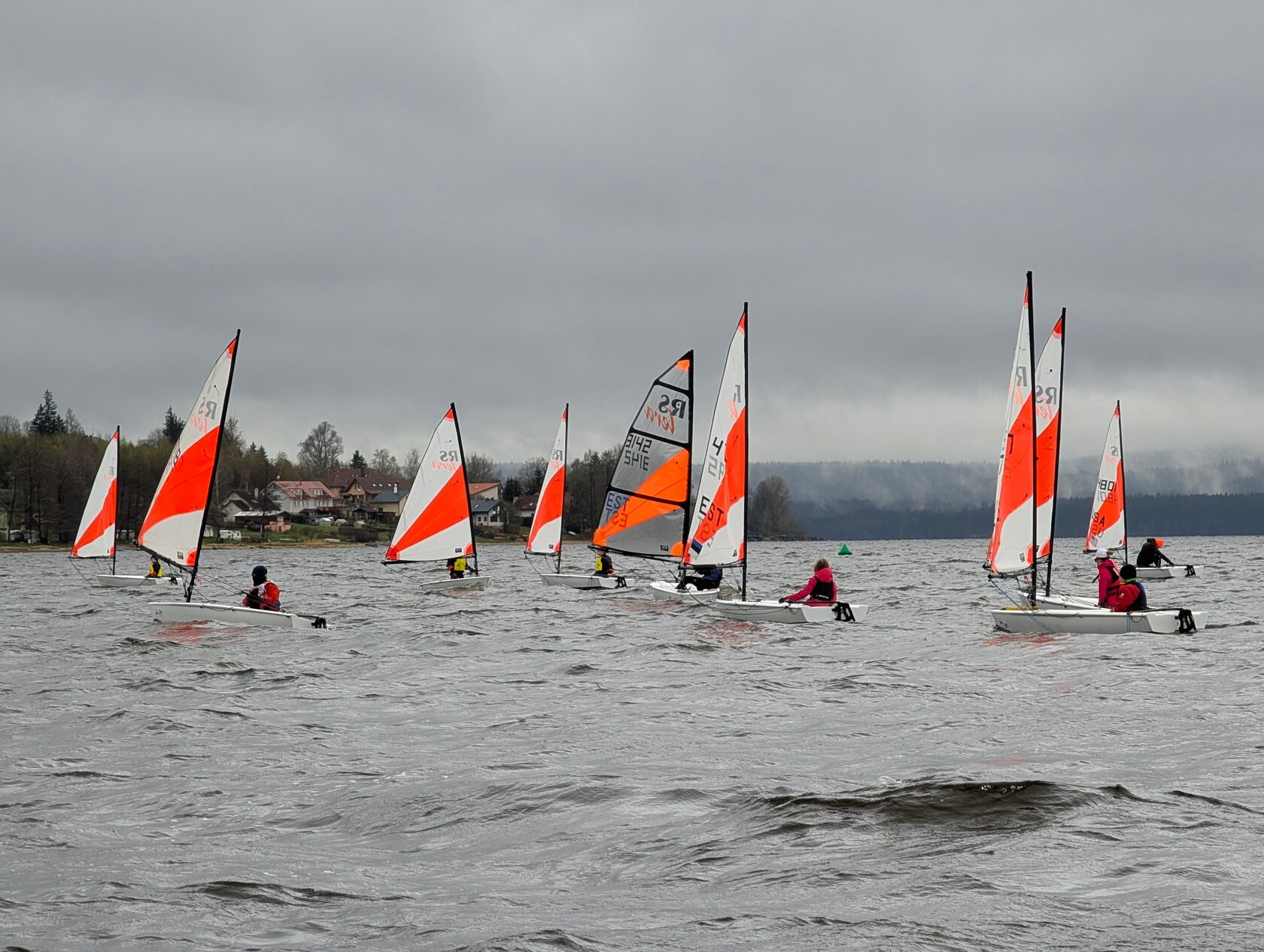
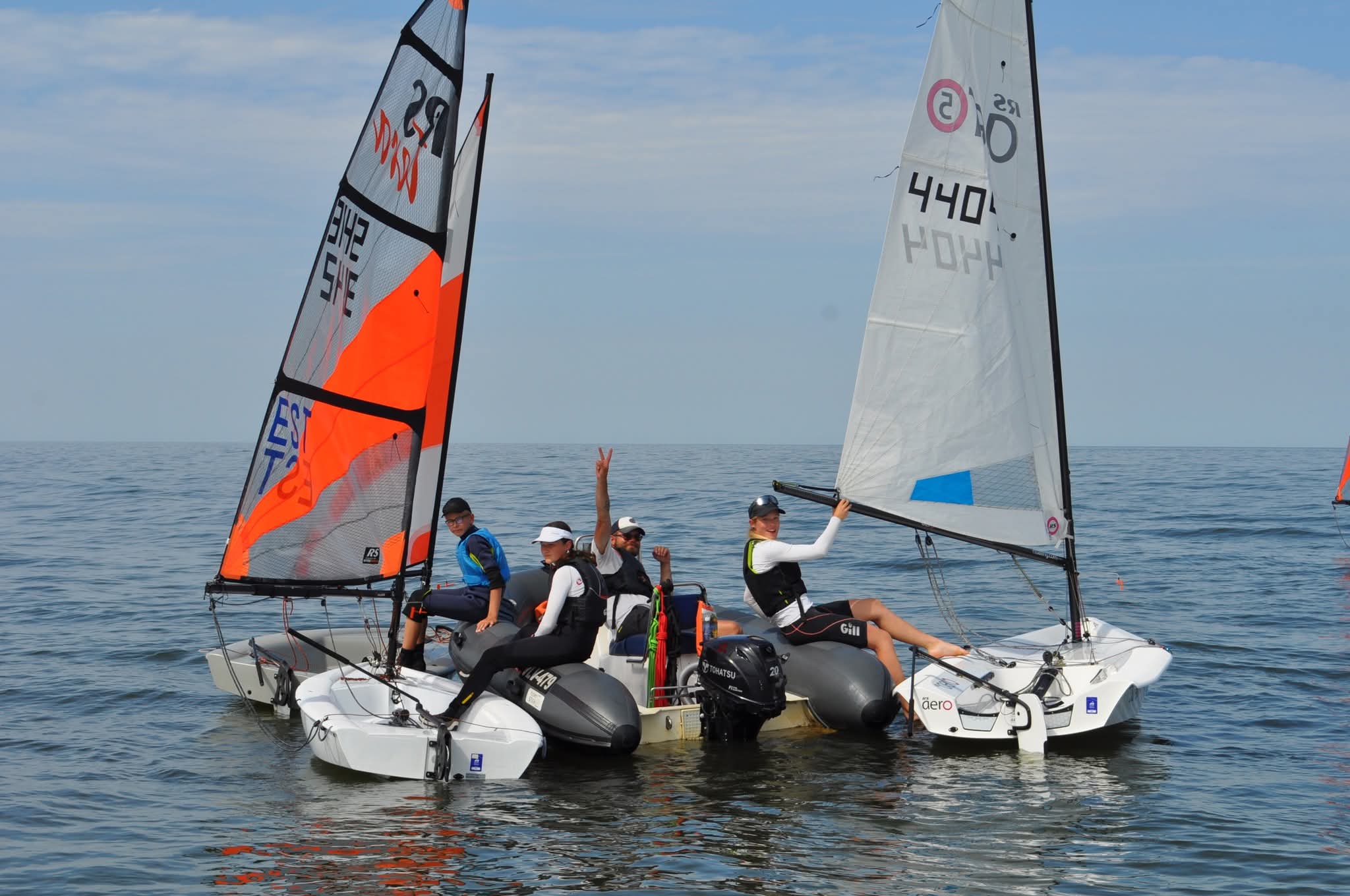
EST & CZE RS Tera training camp - Lipno 2025
The sea demands character. How do today's children, accustomed to gadgets, adapt to harsh conditions, wind, and the need to make quick decisions on the water?
Children today are indeed different: they are more headstrong, and their personal opinions form much earlier. In the past, parental authority was absolute: "if they told you to go sailing, you went." At our school, we maintain the position that the child must want it themselves. But how do you achieve this when cold seas and fear lie ahead?
This is where the "parent-coach" connection is vital. We had a telling case with one boy. During his very first training session, he found it very difficult and flatly refused to continue. But his father was determined, and we resorted to a trick. We agreed: the child would simply show up, assemble the boat and equipment, prepare for departure, and then I would ask him: "Are you going out to sea today or not?" If he said "no," he would calmly disassemble the boat and go home.
This went on for an entire month! He would come, work on the shore, and refuse to go out on the water. But after a month, to the same question, he suddenly replied: "Yes, I’ll go with you." In the end, it all worked out: today, this guy is training, participating in world championships, winning prizes, and sees his future in sailing. I even plan to pass my coaching job on to him in the future. Only through such patience and collaborative work with adults do children truly fall in love with the sea and learn to cope with its harsh realities.
This is where the "parent-coach" connection is vital. We had a telling case with one boy. During his very first training session, he found it very difficult and flatly refused to continue. But his father was determined, and we resorted to a trick. We agreed: the child would simply show up, assemble the boat and equipment, prepare for departure, and then I would ask him: "Are you going out to sea today or not?" If he said "no," he would calmly disassemble the boat and go home.
This went on for an entire month! He would come, work on the shore, and refuse to go out on the water. But after a month, to the same question, he suddenly replied: "Yes, I’ll go with you." In the end, it all worked out: today, this guy is training, participating in world championships, winning prizes, and sees his future in sailing. I even plan to pass my coaching job on to him in the future. Only through such patience and collaborative work with adults do children truly fall in love with the sea and learn to cope with its harsh realities.
Your students participate in international competitions. What does a coach feel when the Narva-Jõesuu flag is raised on the world stage? Which success has been the most emotional for you personally?
For me, as a coach of a small school, this is a massive achievement. We are considered a small club: we have about 15 regular students (up to 20 in the summer), while in Tallinn, for example, that number reaches 75. But for Narva-Jõesuu and our kids, reaching the international level has been a colossal breakthrough.
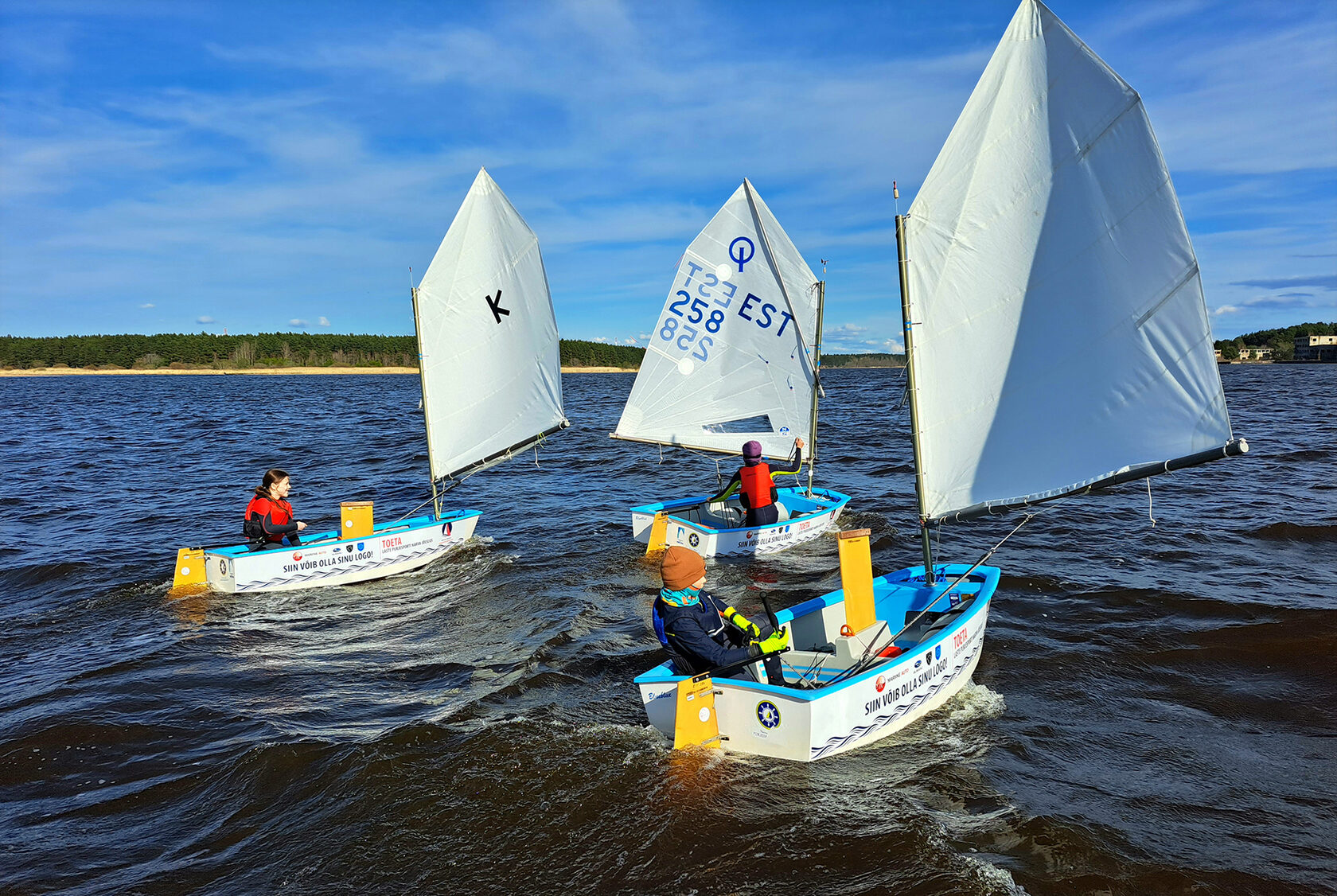
I always tell the children who travel to Italy, Denmark, the Czech Republic, or Slovenia: "You have already won, because you passed all the national qualifiers in Estonia and made it to the World Championships." Looking back 8 years ago, this was beyond our wildest dreams... We started the school by renting private land in the village of Kudruküla, with only two Optimists (small dinghies for children) and two students. This year, we are already taking a team to the World Championships in Germany.
I always tell the children who travel to Italy, Denmark, the Czech Republic, or Slovenia: "You have already won, because you passed all the national qualifiers in Estonia and made it to the World Championships." Looking back 8 years ago, this was beyond our wildest dreams... We started the school by renting private land in the village of Kudruküla, with only two Optimists (small dinghies for children) and two students. This year, we are already taking a team to the World Championships in Germany.
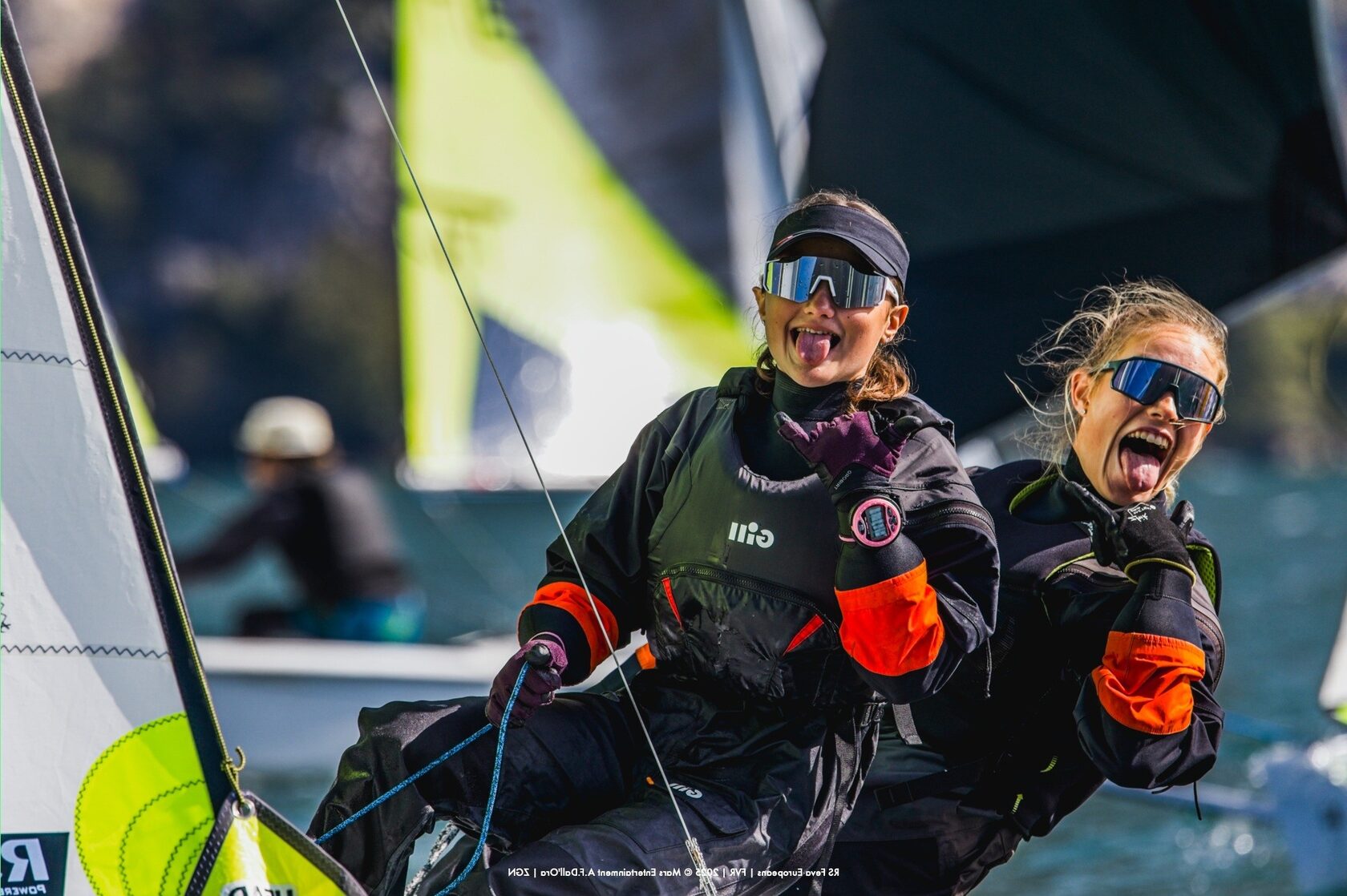
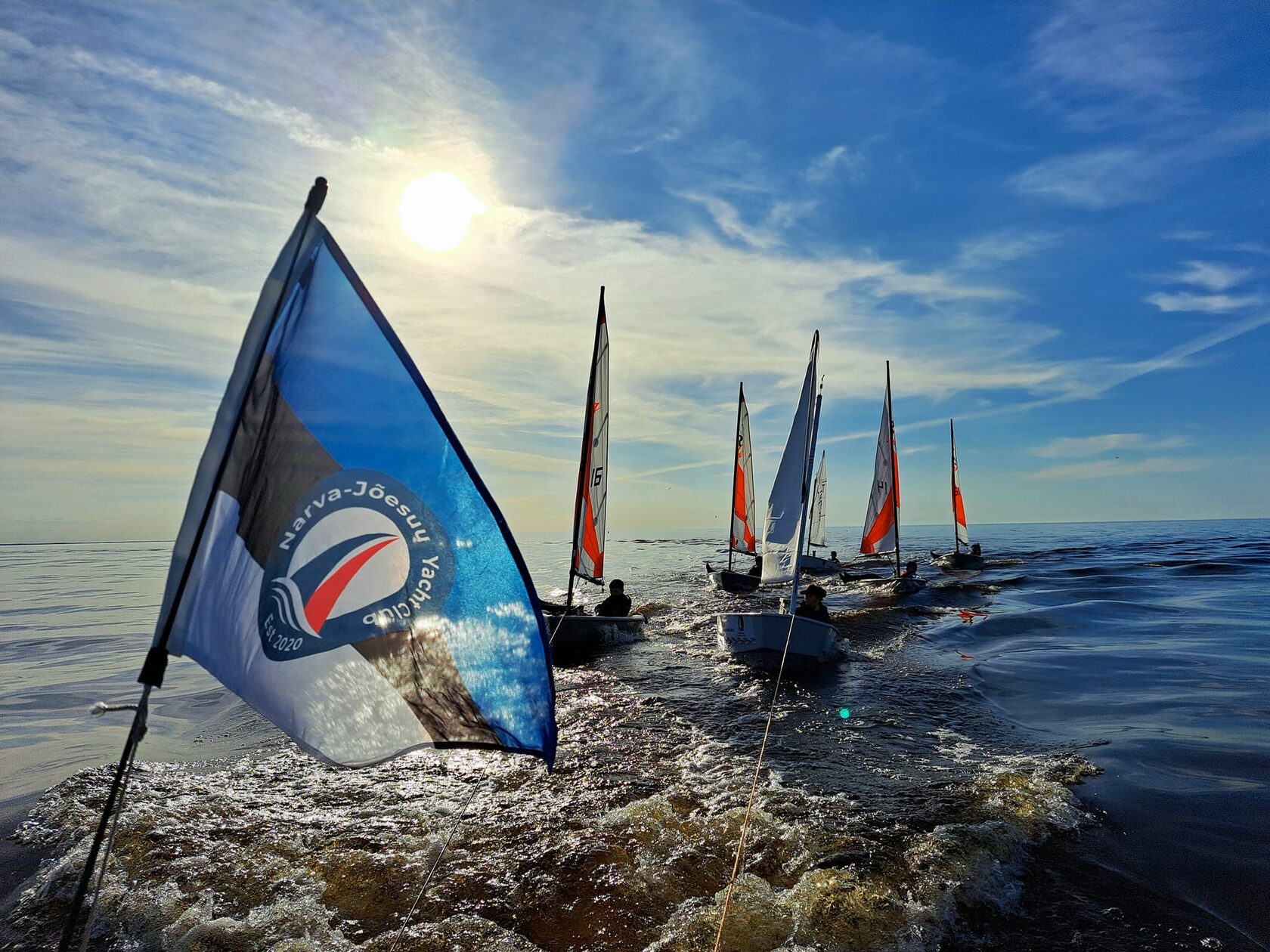
Of course, victories are important, but I believe that medals are primarily the credit of the athlete themselves, a result of their efforts and hard work. My main achievement as a leader, however, is more global: the Narva-Jõesuu Yacht Club flag has become a prominent and integral part of Estonian sailing. We have stood shoulder to shoulder with Pärnu and Tallinn, and now our club—the easternmost in the country—is a consistent name on the world stage. That, to me, is the most emotional success of all.
Sailing depends on the weather. But what does the success of a school leader depend on? What kind of "storms" in administrative and organizational work do you have to face most often?
The success of a leader in our circumstances is the ability to build where there has long been a void. While other major maritime centers in Estonia have maintained their infrastructure and continuity for years, our region has historically faced severe losses. It was fundamentally important for me to prove that Narva-Jõesuu can and must be on this map. It was necessary to stop looking back at past crises and start creating modern standards here and now.
As for administrative "storms," the most difficult one is the struggle against old stereotypes and bureaucracy. When you want to build something new, develop, and keep up with the times, you inevitably face resistance from a system that is used to working differently. But the results of our kids at the Estonian and world levels have become the best argument in any dispute. When our students took all three steps of the podium at the Estonian Championships last year, that was the "final word" (the exclamation point) that answered the question: is there sailing in our region, and can we win?
As for administrative "storms," the most difficult one is the struggle against old stereotypes and bureaucracy. When you want to build something new, develop, and keep up with the times, you inevitably face resistance from a system that is used to working differently. But the results of our kids at the Estonian and world levels have become the best argument in any dispute. When our students took all three steps of the podium at the Estonian Championships last year, that was the "final word" (the exclamation point) that answered the question: is there sailing in our region, and can we win?
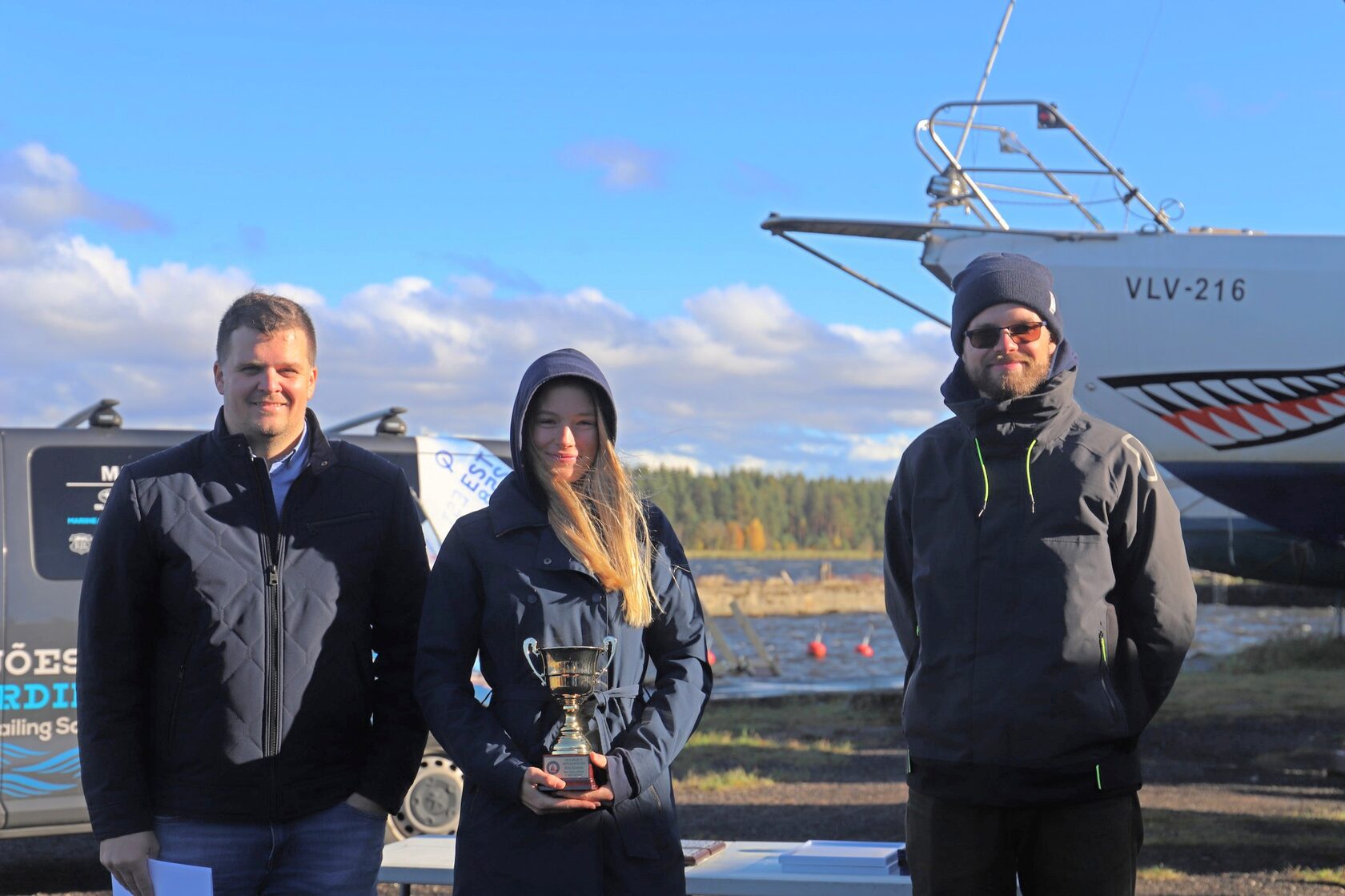
Administrative resources are important, but in a storm, it’s people, not the bylaws, that steer the yacht. And that is exactly where the main secret of our resilience lies. You know, if I were offered a choice between 100,000 euros and my team, I would choose the team without a second thought. With people who are passionate about a common cause, you can achieve more than with all the money in the world. We are building everything from scratch, and for me, the ideal center is a place where history and traditions are preserved.
When we were visiting Kotka in Finland, the local commodore said they envied us a little. They have the buildings and the budgets, but all their resources go toward maintenance. We, however, are creating something new; we are at the beginning of our journey. The ideal center in Narva-Jõesuu is a modern port where our club’s flag flies not because it’s required, but because life is buzzing here, world championships are held, and every resident feels like a part of Estonia’s maritime culture.
When we were visiting Kotka in Finland, the local commodore said they envied us a little. They have the buildings and the budgets, but all their resources go toward maintenance. We, however, are creating something new; we are at the beginning of our journey. The ideal center in Narva-Jõesuu is a modern port where our club’s flag flies not because it’s required, but because life is buzzing here, world championships are held, and every resident feels like a part of Estonia’s maritime culture.
You are developing a sailing school and a yacht club while raising two children. Do you manage to leave your work "on shore," and how do you feel about your children's future—do you see them as successors to your maritime business, or do you give them complete freedom of choice?
To be honest, a leader's work is always on my mind. The entire direction of the school and the club’s development stems from my ideas, though I have a fantastic team without whom nothing would happen. As for the children, my sons have become true Narva-Jõesuu locals; they are growing up here. I don't pressure them, but as my wife says: "Even in retirement, you'll be sitting in your yacht club, watching how everything works." And I tell her that, most likely, it will be our children doing that. I see them as successors, but my path is to navigate through all the administrative storms now, so they inherit a concept that is already working and beautiful.
If you had unlimited resources, what would the ideal sailing center in Narva-Jõesuu look like in 5–10 years?
It should be a fully-fledged yachting hub for Ida-Viru County. Berths for 100–150 boats, heated hangars for winter storage, and dedicated workshops for woodwork and engines. I want the sailing school to expand so that every yacht class has its own coach, rather than "jacks-of-all-trades" like me. But most importantly, the club should operate year-round. For instance, this year we set up an ice rink so people wouldn't be afraid to visit us in winter and could get to know the sea. I want a foundation of traditions to be laid so that even if I and my team are gone, the club won't close but will continue to evolve. Higher, wider, and faster.
What would you say to parents who are afraid to enroll their child in sailing because of the fear of the elements?
Fear is normal, but the sea is the best teacher. It disciplines you and teaches you to make decisions when comfort ends. In our school, we never force anyone. We give the child time to "ripen," simply to be around, to assemble the boat, and to get used to it. And when that fear is replaced by excitement, you will see a completely different person: confident, brave, and ready for any of life's challenges. Believe me, the "kiss of the boom" that I recall with a smile is a small price to pay for the freedom and character that sailing provides.
Just bring your child to the shore… Let them just watch the sails at first!
Just bring your child to the shore… Let them just watch the sails at first!
Follow the Narva-Jõesuu Yacht Club and Sailing School Facebook page to stay updated on all our events!