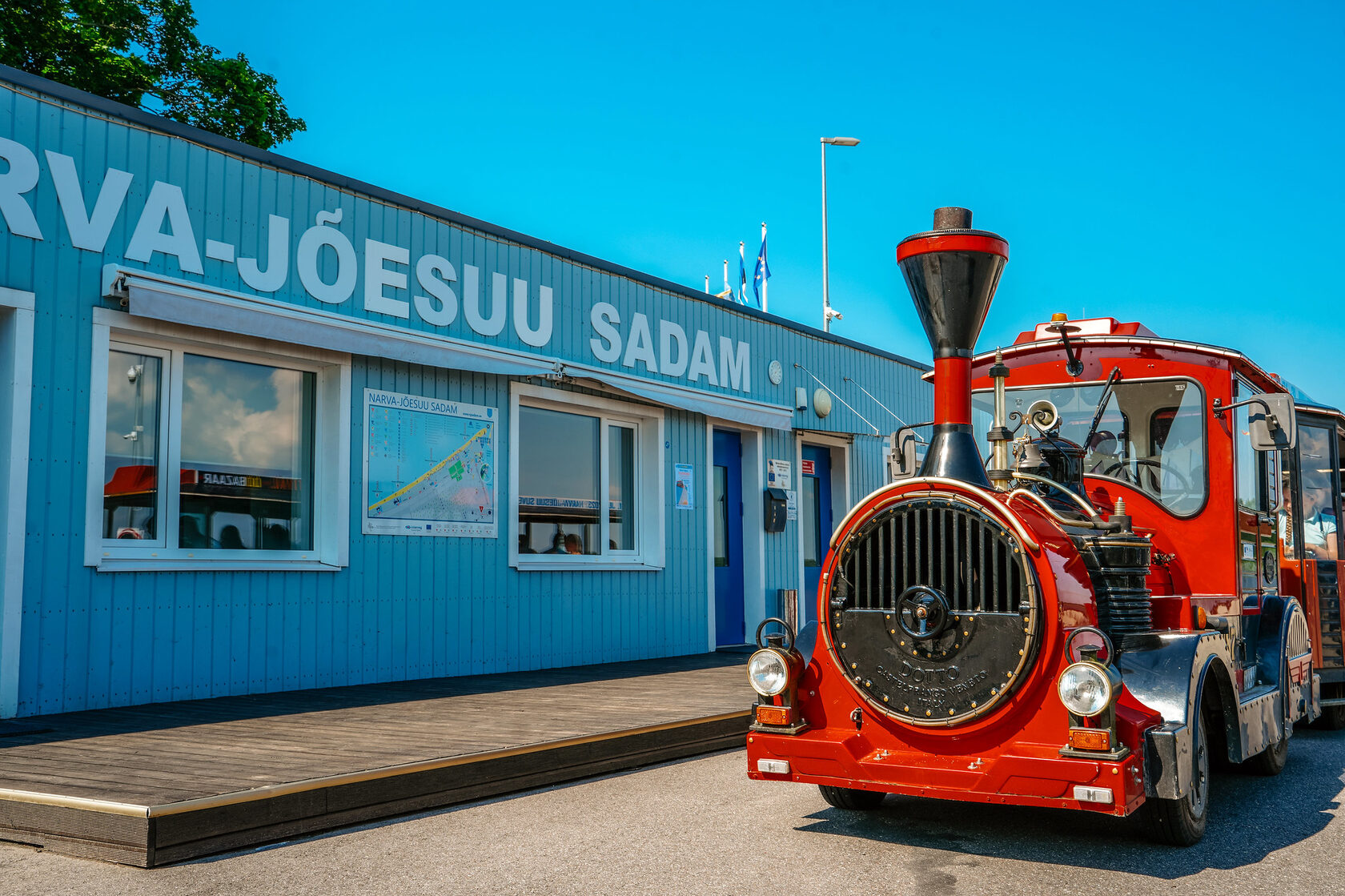
From 24 to 31 July, the summer train Peetrike operated in Narva-Jõesuu as a pilot project. It was not merely an amusement ride, but a mobile seminar-laboratory where local residents, entrepreneurs, creative professionals and tourism experts came together. Together, they discussed the city’s future plans and explored new ways to make Narva-Jõesuu more attractive for both visitors and residents.
The route was carefully designed to showcase different facets of the city. Particularly valuable was the fact that it did not focus solely on well-known attractions, but also highlighted places deserving greater attention, such as the Home Museum on Nurme Street and the lighthouse reopened last year. According to local resident Helgi, the train was not only enjoyable for tourists, but beneficial for residents as well. Many people no longer walk around the city as much as they used to, and the train offered an excellent opportunity to notice what is new.
The train stops encouraged both locals and visitors to step off, take photos and explore their surroundings. This diverse journey, revealing the city from multiple perspectives, turned the ride into something more than simple transportation. It demonstrated how a thoughtfully developed idea can bring joy to the community while energising local life. For some, the train ride became a bridge between generations — younger and older passengers shared memories and reflected on how the city has changed over the years. During the week, a small tradition emerged: pedestrians and cyclists would pause, children waved, and some even ran alongside the train. These warm moments added a strong sense of community to the experience.
Over the course of the week, more than 2,600 people rode the train. Passengers listened to stories about the city’s history and future, enjoyed the surrounding views and shared their thoughts. According to project initiator Arvo Juhkov, within just one week the train and the discussions surrounding it evolved not only into a new city symbol, but also into a social platform where different groups could engage in direct dialogue and exchange ideas.
The route was carefully designed to showcase different facets of the city. Particularly valuable was the fact that it did not focus solely on well-known attractions, but also highlighted places deserving greater attention, such as the Home Museum on Nurme Street and the lighthouse reopened last year. According to local resident Helgi, the train was not only enjoyable for tourists, but beneficial for residents as well. Many people no longer walk around the city as much as they used to, and the train offered an excellent opportunity to notice what is new.
The train stops encouraged both locals and visitors to step off, take photos and explore their surroundings. This diverse journey, revealing the city from multiple perspectives, turned the ride into something more than simple transportation. It demonstrated how a thoughtfully developed idea can bring joy to the community while energising local life. For some, the train ride became a bridge between generations — younger and older passengers shared memories and reflected on how the city has changed over the years. During the week, a small tradition emerged: pedestrians and cyclists would pause, children waved, and some even ran alongside the train. These warm moments added a strong sense of community to the experience.
Over the course of the week, more than 2,600 people rode the train. Passengers listened to stories about the city’s history and future, enjoyed the surrounding views and shared their thoughts. According to project initiator Arvo Juhkov, within just one week the train and the discussions surrounding it evolved not only into a new city symbol, but also into a social platform where different groups could engage in direct dialogue and exchange ideas.
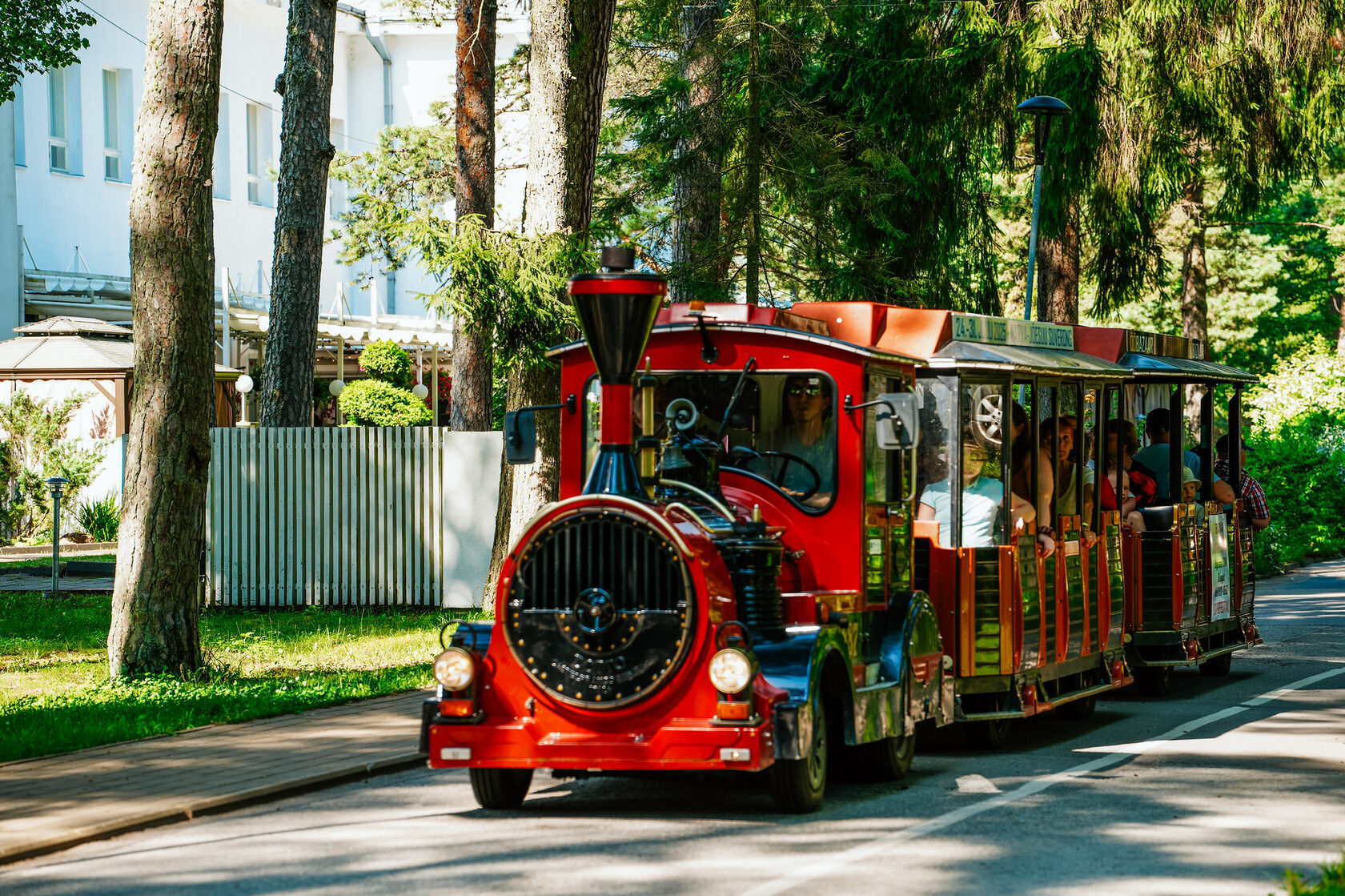
Numerous ideas were born on board. Many suggested that the train should operate for a longer period and follow a fixed schedule. Proposals were made to introduce a ticket fee in order to further develop the service and ensure its sustainability. It was also suggested that the train could become part of a broader tourism package, linking rides with spa visits, the museum or local events. Some ideas were more creative in nature — for example, actors portraying historical figures at stops, or the addition of photo spots and sculptures along the route to create visual points of interest.
The summer train was part of the large-scale project “Development of the Ida-Viru Region Waterways Network and Tourism Entrepreneurship,” within which the construction of the Narva-Jõesuu breakwater and improvements to waterways are being implemented. At the same time, it is the so-called “soft activities” of the project — such as establishing an entrepreneurs’ network and developing tourism packages and a virtual tour — that connect people and ideas. The summer train was one of the initiatives that brought together the community and business representatives to plan the future collaboratively.
The summer train was part of the large-scale project “Development of the Ida-Viru Region Waterways Network and Tourism Entrepreneurship,” within which the construction of the Narva-Jõesuu breakwater and improvements to waterways are being implemented. At the same time, it is the so-called “soft activities” of the project — such as establishing an entrepreneurs’ network and developing tourism packages and a virtual tour — that connect people and ideas. The summer train was one of the initiatives that brought together the community and business representatives to plan the future collaboratively.
The pilot project exceeded all expectations and confirmed that Narva-Jõesuu has strong community energy and readiness for cooperation. According to project manager Anna Karina, a significant amount of valuable information and ideas was collected, which can be used in the development of new tourism packages and may serve as a solid basis for creating a business model for a similar service. It is entirely realistic that an entrepreneur will emerge who is willing and able to offer such a service on a permanent basis. The diversity of the route, continuity of the service and integration with other events and attractions are key factors that could make the train a lasting part of the city’s tourism landscape.
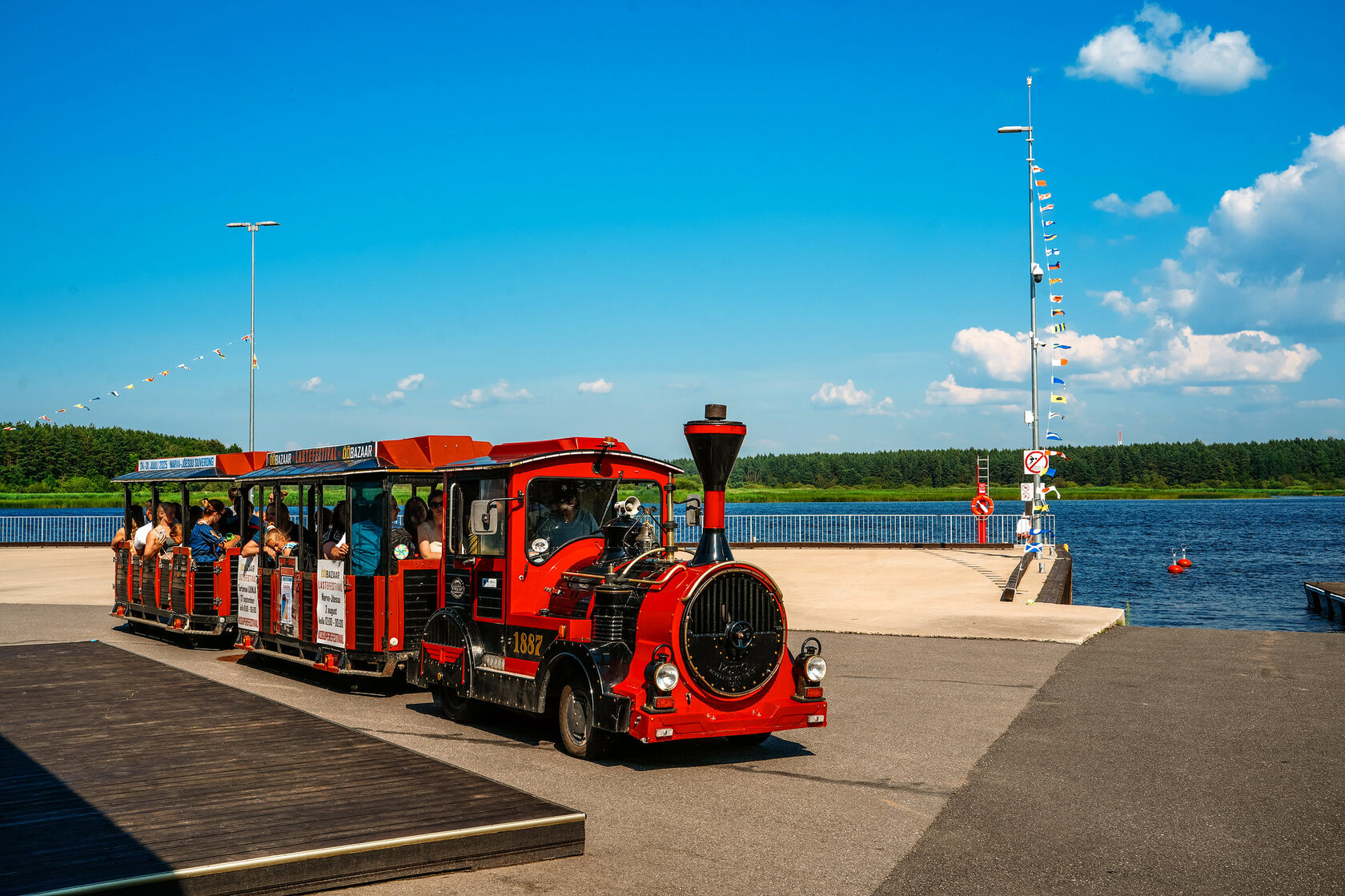
At the same time, the larger components of the project continue — construction of the breakwater, of which more than a quarter has already been completed, development of a virtual reality tour, marketing campaigns and training activities aimed at maintaining momentum and strengthening regional entrepreneurship.
The project “Development of the Ida-Viru Region Waterways Network and Tourism Entrepreneurship” is supported by the EU Cohesion Policy Funds under the measure “Attractive Regional Business and Living Environment” and through the County Development Strategy Implementation Support measure (MATA).
The project “Development of the Ida-Viru Region Waterways Network and Tourism Entrepreneurship” is supported by the EU Cohesion Policy Funds under the measure “Attractive Regional Business and Living Environment” and through the County Development Strategy Implementation Support measure (MATA).